Home / Journal / A short history of perfumery, and what it means for what you buy
A short history of perfumery, and what it means for what you buy
Perfume started as oil, resin and smoke, became a distilling trade, then became a chemistry in the late nineteenth century when it turned out you could build a smell rather than only extract one. Each of those turns still shows up in what you can buy today, including from us, and knowing which is which makes the marketing much easier to read.
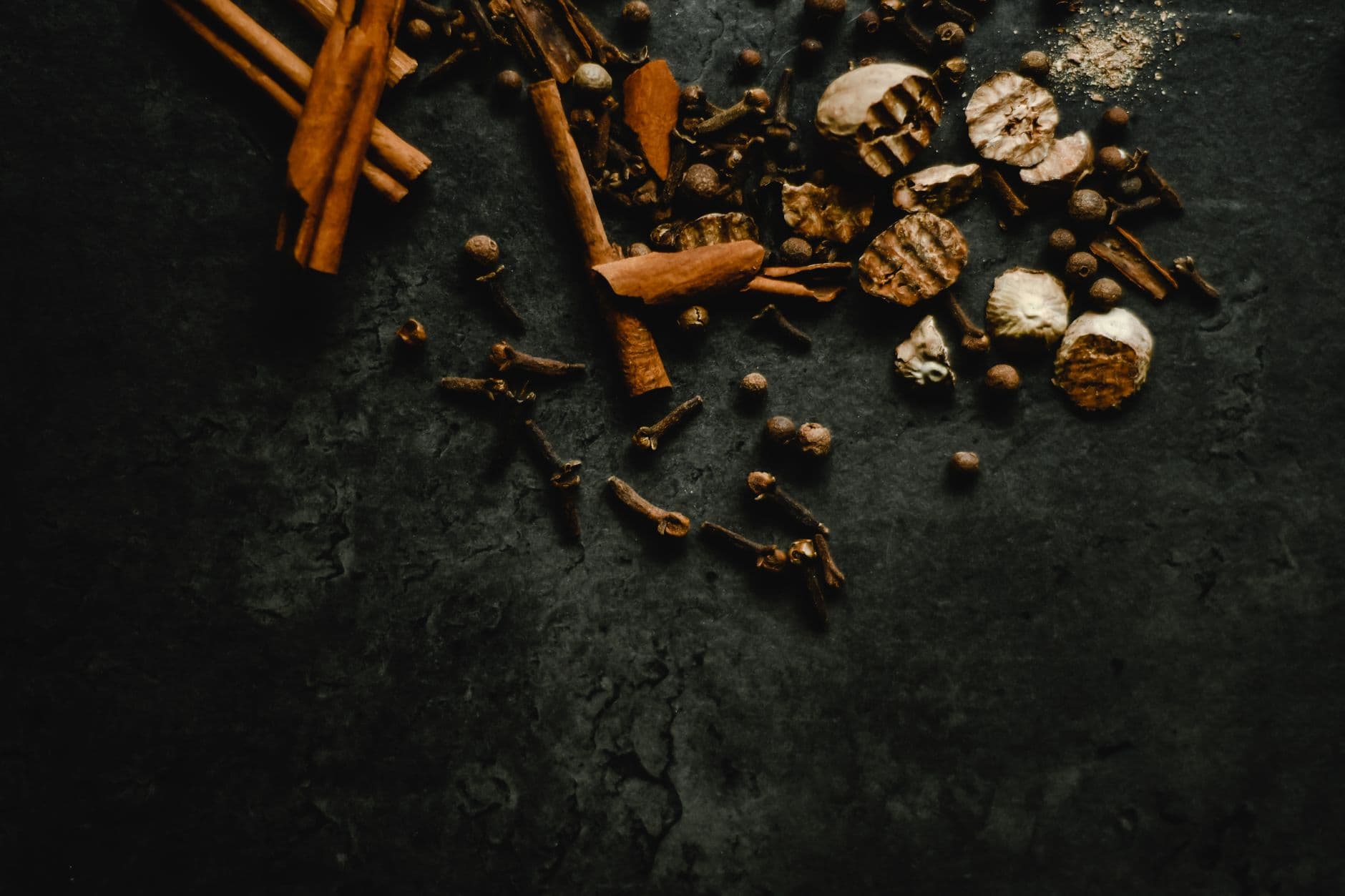
Oil, resin and smoke
The oldest perfumes were not liquids you sprayed. They were fats and oils carrying the smell of something else, and resins burned to scent a room, a temple or a body. Perfume in the ancient Mediterranean was made by steeping aromatic material in oil, and it was stored in small, well-sealed vessels because oil goes rancid and the good stuff was expensive.
Two things from that period are still true. Fragrance was worn on skin and warmed by it, which is exactly what a perfume oil still does. And the base carried the smell, which is why the dry-down of a modern fragrance is still where the money and the staying power are.
Distillation, and fragrance as a trade
Distillation is the turn that made perfumery a craft rather than a kitchen technique. Steam separates the volatile aromatic fraction of a plant from everything else, and what you collect is concentrated, portable and worth trading. Alcohol arriving as a carrier did the rest: a fragrance in alcohol lifts off the skin instead of sitting in it, and it keeps.
That is the whole ancestry of the difference on our own shelf. An eau de parfum is the alcohol tradition: it diffuses, it announces itself, it leaves a trail. A perfume oil is the older one: close, warm, and yours rather than the room's.
Grasse, and growing the smell
By the sixteenth century the countryside around Grasse in southern France had turned itself into a fragrance economy: fields of perfume plants, the knowledge to process them, and perfumers to compose with the results. UNESCO added those skills to its intangible cultural heritage list in 2018, which is a slightly unusual thing to happen to an industry and a fair measure of how specialised it became.
It also set the economics that still govern the shelf. Some smells need a field. A kilogram of certain floral absolutes takes a startling amount of picked flower, and that cost lands in the bottle. Which is the background you need for what happened next.
The chemistry that changed everything
From the late nineteenth century, organic chemists began isolating the individual molecules responsible for a smell and then making them. That did two things at once. It made expensive smells affordable, and more interestingly, it made impossible ones possible.
Lily of the valley cannot be extracted: the flower does not give up an oil worth having. Every lily of the valley note you have ever smelled was built. So was most of what a modern fragrance means by fresh, aquatic or clean, because those accords do not exist as a plant you could squeeze.
The other consequence is regulation. Because ingredients are identifiable molecules, they can be assessed and restricted, and they are: the IFRA standards specify, restrict or prohibit individual materials for the whole industry. That is a real safety floor, and it applies to a supermarket body spray and a niche house equally.
Where a small studio fits
The other thing chemistry changed is who gets to do this. Composing no longer requires standing next to a field. It requires materials, a bench, a lot of trials and somewhere to keep the records, which is what an independent house in Adelaide actually is.
What has not changed is the part that is slow. A fragrance is still built in tiers, still has to be tested on skin over hours rather than minutes, and still fails on a person it was not made for. We publish the real note pyramid for every scent for that reason: 77 notes across the range, with the materials behind them written up in the ingredient glossary, so you can read what is in something before you smell it.


Three compositions where the history is easy to smell: resinous and woody, dark fruit over vanilla, and a modern floral that owes most of its shape to the bench.
How to read a heritage claim
Fragrance marketing borrows from history more than most categories, so a few honest translations are useful.
- "Ancient recipe" usually means an ancient-sounding note list. Nobody is wearing a reconstructed Roman unguent, and you would not want to.
- "Rare natural ingredient" may well be true and is not automatically a reason to pay more. Ask what it smells like, not where it grew.
- "Master perfumer" is not a protected title anywhere. It tells you about the copywriter.
- "Inspired by" is the industry's way of naming another house's fragrance without naming it. We do not write that copy and we do not sell dupes.
None of which means history is irrelevant. It is the reason there are two formats on this site rather than one, and choosing between them is still the most useful decision you will make.
Questions people ask
Where did perfume originate?
Aromatic oils, resins and incense were in use across the ancient Near East and Mediterranean, in religious ritual, in burial practice and on skin. The earliest perfumes were aromatic material steeped in oil rather than the alcohol-based liquids we know now.
When did perfume become an alcohol-based liquid?
The shift followed distillation and the availability of alcohol as a carrier, which together made a fragrance that lifts off the skin and keeps well in a bottle. That tradition is what an eau de parfum still is; a perfume oil is closer to the older, oil-borne form.
Why is Grasse associated with perfume?
The area around Grasse in southern France built an entire economy on growing perfume plants, processing raw materials and composing with them, from at least the sixteenth century. UNESCO inscribed those skills on its intangible cultural heritage list in 2018.
Are synthetic fragrance ingredients a modern shortcut?
They are more than a century old and they are not a shortcut. Some smells cannot be extracted at all: lily of the valley and most fresh or aquatic accords only exist because they were built. Synthetics are also more consistent and are covered by the same published safety standards as naturals.
Is old perfume still good?
It depends far more on storage than on age. Light, heat and air are what damage a fragrance, so a bottle kept in a dark drawer can be fine for years while one on a sunny windowsill turns in months. If it smells sour or sharply different at the top, it has gone.
Sources
- The J. Paul Getty Museum on ancient perfumeHow fragrance was made, carried in oil and stored in the ancient Mediterranean.
- UNESCO intangible cultural heritage: perfume skills in Pays de GrasseInscribed in 2018, covering the cultivation of perfume plants, the processing of natural raw materials and the art of composition, practised there since at least the sixteenth century.
- IFRA Standards libraryThe published standards that restrict, specify or prohibit individual fragrance materials across the industry.
Written by Olivia Clarke, Next Fragrance.